Living in a smaller home doesn't mean you have to feel boxed in. While we often think of square footage as a fixed number, the way a human eye perceives space is actually quite flexible. By using modern design principles, you can change the visual boundaries of a room to make it feel airy, open, and far more comfortable. Whether you are dealing with a cozy guest bedroom or a narrow living area, a few strategic choices can breathe new life into your sanctuary.
The Power of a Unified Color Palette
One of the fastest ways to make a room feel smaller is to break up the walls with too many high-contrast colors. When your eyes jump from a dark wall to a bright white trim, it highlights the exact corners and boundaries of the room. By using a unified, light color palette, those boundaries seem to disappear. Soft whites, light grays, or pale blues reflect more light, which makes the walls feel like they are receding further back than they actually are.
To make this effect even stronger, consider these painting techniques:
- Paint the trim the same color as the walls to remove the "outline" effect that shrinks a room.
- Use a slightly lighter shade for the ceiling to create the illusion of higher, more vertical space.
- Select a satin or semi-gloss finish for certain surfaces to allow light to bounce more effectively across the room.
Maximizing Natural Light and Views
Light is perhaps the most effective tool in any design kit for creating an expansive feeling. A dark room feels heavy and closed off, while a sun-drenched space feels connected to the world outside. If your windows are small or covered by heavy drapery, you are essentially losing out on visual square footage. The more you can see the outdoors, the less your brain focuses on the interior walls.
Beyond just opening the curtains, structural improvements can make a massive difference. Modern window installation, focusing on larger glass panes or thinner frames, allows for a more seamless transition between your home and your yard. Adding features like skylights can also transform a dim hallway or bathroom into a vibrant space by bringing in light from above, where wall space might be limited.
Choosing Multi-Functional and Scaled Furniture
In a small room, every piece of furniture must earn its keep. Using bulky, overstuffed sofas or heavy wooden tables can "eat" the floor space and make a room feel cluttered. Modern design tricks suggest using furniture with legs that are visible, rather than pieces that sit flat on the floor. When you can see the floor extending beneath a chair or a cabinet, the room feels much more open because the visual path is unobstructed.
Smart furniture choices for small spaces often include:
- Glass or acrylic tables that provide a surface without taking up visual weight.
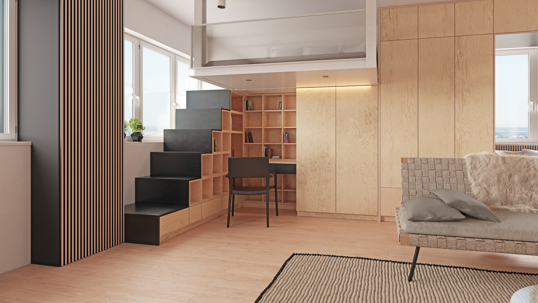
- Built-in shelving that uses vertical wall space instead of floor space.
- Low-profile seating that keeps the sightline clear across the room.
The Strategic Use of Mirrors and Reflective Surfaces
Mirrors are a classic design trick for a reason: they literally double the visual depth of a room. By placing a large mirror opposite a window, you are not only reflecting the light back into the space but also "windowing" the opposite wall. This creates a sense of symmetry and openness that can make even a tiny entryway feel like a grand hall.
You don't have to stop at wall mirrors. Using other reflective materials like metallic accents, polished stone, or even high-gloss cabinetry in a kitchen remodel can help move light around. These surfaces act as "internal windows," breaking up solid blocks of color and providing more depth. When light is constantly moving, the room feels active and spacious rather than stagnant and small.
Using Vertical Lines to Draw the Eye Upward
If you cannot move the walls outward, the next best thing is to move the ceiling upward—at least visually. Vertical lines force the eye to move from the floor to the ceiling, emphasizing height rather than width. This trick is especially helpful in basements or older homes where ceilings might feel a bit low. You can achieve this through long, floor-to-ceiling curtains or even vertical wood paneling.
Structural changes also play a role in this vertical shift. During a remodeling project, homeowners often look for ways to open up doorways or raise header heights. Even small changes, like installing taller doors or slim-profile windows, can make a dramatic impact on how "tall" a room feels. When the eye is encouraged to look up, the horizontal boundaries of the room become much less noticeable.
Creating a Coherent Flow Between Spaces
Finally, making a small room feel expansive is often about what is happening in the next room. If your flooring changes abruptly at every doorway, it creates a choppy feeling that highlights how small each individual space is. Using the same flooring material throughout your home creates the illusion of a single continuous area rather than several small ones. This is why open-concept designs remain so popular; they allow light and sightlines to travel the full length of the home.
Minnesota Home Improvements on these holistic improvements through professional project design and structural engineering to ensure your home works as a single, harmonious unit. We help homeowners maximize their current layout through strategic remodeling and new construction techniques that prioritize flow and functionality. Whether we are handling a bathroom remodel or a full-scale interior change, our goal is to use technical expertise to make every inch of your home feel valuable.
If you feel like you have outgrown your current space but aren't ready for a move, reaching out to explore modern structural solutions is a great first step toward a more comfortable home. Contact Minnesota Home Improvements today at (320) 434-8804 or fill out our online form to see how we can help you expand your home’s potential.