
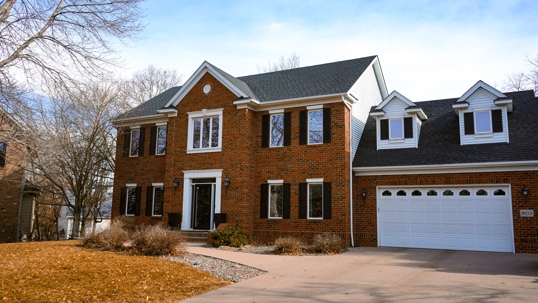
As winter settles in across St. Cloud, every homeowner faces the challenge of keeping their roof secure under heavy snow, relentless winds, and freezing temperatures. We understand how quickly small oversights can turn into big problems during harsh Minnesota winters. Our decades of experience serving Central Minnesota have taught us that proactive winter roof care protects your home, prevents costly emergencies, and gives you lasting peace of mind when the weather is at its worst.
Why Winter Roof Care Is Essential in St. Cloud’s Climate
St. Cloud’s winters bring specific challenges for roofs that go beyond the ordinary. Intense storms can dump feet of snow overnight, putting thousands of pounds of weight on shingles, decking, and the structure beneath. As temperatures swing up and down, rapid thaw-and-freeze events make snow melt and then harden to dangerous levels, placing both visible and hidden stress on every component of your roof system.
Unlike other regions, homes in Central Minnesota face dramatic weather shifts that increase the risk for leaks, cracked shingles, and ice dams. Gusting winds funnel through roof valleys and lift loose materials, exposing flashing and underlayment to repeated freeze cycles. Our local crews frequently see hidden issues worsen during these intense months, especially on older roofs or roofs with complex shapes.
Taking winter roof care seriously isn’t just about preventing problems; it means defending your investment and comfort for future seasons. Routine attention, before and after major storms, means you’re less likely to experience expensive repairs, and you keep your family safe and warm indoors even during extreme cold.
What Happens If I Ignore My Roof During St. Cloud Winters?
Skipping seasonal roof maintenance in St. Cloud carries real risks, many of which become apparent only after the snow melts. Water can slip in beneath lifted or damaged shingles, causing widespread leaks that travel into insulation, drywall, and attic spaces. Small leaks that begin unnoticed during winter storms can result in stained ceilings, mold growth, and structural decay by spring if not addressed early.
Continuous snow accumulation can push a roof past its load-bearing capacity, especially on older homes or those built before current building codes. Even newer roofs are at risk of sagging or collapse under wet, heavy snow. When ice dams form, pooled water behind them can seep under shingles and compromise your roof deck, fascia, and even interior walls, multiplying the damage throughout your home.
Poor roof performance doesn’t just jeopardize your property structure—it can also affect your wallet. Damp insulation and drafts force your heating system to work overtime, leading to higher energy bills and reduced comfort. These consequences, combined with the hassle and cost of emergency repairs, demonstrate why winter roof care is a priority for anyone in St. Cloud who wants to avoid unnecessary risks.
How Can I Tell If My Roof Needs Attention Before or During Winter?
A careful inspection before snow begins to pile up often reveals places where small problems can turn into big ones. Look for missing, curling, or cracked shingles—these areas invite water intrusion and may already be letting moisture below the surface. Check for granules from asphalt shingles in your gutters, which signals that the protective surface is wearing away.
Inspect gutters for blockages, sagging, or separation from the fascia, all of which cause water and ice backup. Keep an eye out for dark streaks, moss, or algae patches, which indicate standing moisture and poor drainage—both high-risk for winter leaks. Water stains or new spots on ceilings, especially after a snow or ice event, mean it’s time to investigate further.
Don’t forget the attic. A quick look can reveal insulation that’s damp, matted, or riddled with visible mold. Also, check for beams of light peeking through gaps—these show where water and cold air can get inside. If your roof is 15 years old or more, or if you’re unsure about prior maintenance, a professional evaluation can identify risks unique to St. Cloud homes and help you create a winter care plan.
Should I Remove Snow or Ice From My Roof? When & How to Take Action
Heavy snow places significant weight on your roof, but knowing when and how to remove it is equally important. In St. Cloud, snow events can quickly add a foot or more—the tipping point for many homes—especially on flatter roofs. If you see sagging inside, hear new creaks, or notice sticking doors near your attic, those could be early signs of overload. Promptly removing excess snow keeps your structure safe and prevents damage down the line.
The safest and most effective way to remove snow from your roof is by using a telescoping roof rake with a plastic head, working from the ground. Avoid ladders in icy conditions whenever possible. Focus your efforts on the lower portion of your roof—these shaded areas are where ice dams tend to form and cause leaks. If you’re unable to remove snow safely, call for help from a professional roofing team that’s equipped for winter conditions.
Dealing with ice is different. Never chip or hack at ice, as this can damage your shingles and flashings. Do not use standard salt, as most forms corrode roofs and void warranties. Instead, use only deicing products approved for roofing, and only as a temporary measure. Extensive or stubborn ice should be cleared by professionals to avoid injury and roof damage, a service we regularly provide throughout the winter in Central Minnesota.
How Do Ice Dams Start & What’s the Best Way to Prevent Them?
Ice dams often form along the eaves of St. Cloud roofs when heat from your living space escapes into the attic, melts snow, and then causes it to refreeze on cold lower edges. This traps water behind ridges of ice, which can seep beneath shingles and into the structure below. The freeze-thaw cycles common in our climate accelerate this problem, making some homes especially prone to repeated leaks and water damage.
Prevention starts with controlling attic temperature and ventilation. Air leaks around chimneys, light fixtures, and attic hatches let warm air rise, accelerating snow melt. Sealing these gaps and upgrading attic insulation—aiming for at least R-49 as recommended for our region—helps keep attic temperatures closer to outside conditions, reducing snowmelt and ice formation. Proper ventilation, through ridge and soffit vents, allows cold air to circulate and minimizes thawing from below.
If you see icicles forming or notice uneven melting, take action by removing snow from the eaves as described in the previous section. Electrical heat cables can help in specific problem areas but come with higher energy costs and fire risks if installed improperly. For most homes, permanent solutions like sealing air leaks and improving insulation and ventilation offer the most reliable and energy-efficient results, and our team guides homeowners through this process with each inspection.
What Winter Roof Maintenance Tasks Should Every Homeowner Schedule?
Effective winter preparation begins with a top-to-bottom inspection every fall. Cleaning gutters and downspouts thoroughly helps prevent clogs and standing ice—a leading cause of roof leaks and slow snowmelt in St. Cloud. Pay particular attention to ensuring all flashing, around chimneys, vent stacks, and skylights, is fully sealed and free of cracks or rust. These details create your roof’s first line of defense against precipitation and ice.
Check your attic’s insulation and ventilation systems for coverage and moisture. Insulation that’s compromised by settling or water can cause heat loss and encourage ice dams. Regularly inspect for icicles and monitor snow build-up on the roof, both of which can spotlight drainage or insulation weaknesses. Scheduling a professional inspection is especially wise if your roof is approaching 15 years old, has seen repairs, or if you’re unsure about previous maintenance standards.
Throughout the winter, we recommend taking a short walk around your home after heavy snows or big temperature swings. Look for visible dips, uneven snow melt, or pooling water near the eaves—these patterns often highlight the first warning signs of trouble. Fast, attentive care makes all the difference between minor upkeep and major, expensive repairs come spring.
What Should I Do If I Discover Roof Damage During Winter?
If you notice roof damage while snow is on the ground, move quickly to limit further problems. Take clear, detailed photos from various angles and write down the date, time, and circumstances of what you see. This documentation is essential for both insurance purposes and ensuring a smooth process when repairs are needed later.
For active leaks, position buckets or containers to catch drips and move valuables out of harm’s way. Cover small gaps with heavy-duty plastic sheeting, taped securely, to provide temporary protection. Stay off the roof—icy, slick surfaces are much too hazardous in cold weather. Instead, contact a licensed contractor with winter roof experience who can safely assess your situation and recommend repairs designed for our climate and construction styles.
It also pays to notify your homeowner’s insurance provider as soon as possible after major damage. Many policies require timely notification to keep your claim options open. Trusted contractors can provide inspections and written repair estimates tailored for St. Cloud homes, and they should use dedicated, in-house crews to maintain high standards for quality and reliability through the winter months.
How Do Roofing Warranties & Home Insurance Handle Winter Damage?
Most roofing warranties require regular roof maintenance—including specific tasks like snow removal, periodic inspections, and documentation—to remain valid. Homeowners in St. Cloud should keep all receipts and inspection reports to prove their diligence, especially when working with local crews recognized by major manufacturers.
Insurance policies typically protect against sudden events like storm damage or roof collapse due to heavy snow, but they often exclude or reduce coverage for issues caused by neglect. For example, leaks from clogged gutters or unrepaired flashing may not be covered. To maximize your coverage, keep accurate records of your roof care—dates, tasks, and professional assessments are especially important after severe weather.
If you’re not sure what’s required, speak with your agent directly before problems arise. Ask about exclusions or documentation requirements and review your policy regularly. Working with a St. Cloud-based roofing contractor who is fully licensed and certified helps keep your roof in top shape and supports compliance with both warranty and insurance policies.
Does Minnesota Winter Weather Shorten Roof Lifespan? How to Make Your Roof Last
Consistently severe weather in St. Cloud does take a toll on roofs, but regular care makes a measurable difference in longevity. Cold temperatures cause shingles to become brittle, which increases the risk for cracks and tears after a heavy wind or snowstorm. As snow remains on the roof, trapped moisture slowly seeps into the layers beneath, threatening the integrity of deck boards, fasteners, and support beams.
Key strategies to extend your roof’s lifespan include scheduling annual attic and rooftop inspections, addressing damaged or missing shingles right away, and never ignoring heavy snow build-ups. Well-maintained ventilation and insulation play an important part by preventing heat loss, limiting ice dam formation, and supporting steady indoor temperatures.
Working with a company that uses only dedicated, in-house crews—like Minnesota Home Improvements—means you receive consistent workmanship from licensed professionals familiar with the demands of Central Minnesota’s climate. This approach ensures that every project, from maintenance to full replacement, benefits from hands-on quality control and personal accountability.
When Should I Call a St. Cloud Roofing Contractor for Winter Care?
Certain situations call for immediate help from a certified professional. If you notice sagging roof lines, persistent leaks, extensive ice dams, or entire swathes of missing shingles during the winter, reach out right away. These are signs of serious underlying issues that require technical assessment, not just a quick fix.
Severe storms, repeated problems despite previous repairs, or roofs that are nearing or past their expected lifespan are also cues to call a local roofing company. Licensed contractors can provide not only roof repairs but also insulation improvements, attic ventilation upgrades, and winterization tips fine-tuned for St. Cloud homes. You can expect detailed communication from initial inspection to final walkthrough—a quality we maintain in every project.
Entrusting winter roof care to true professionals ensures your home is protected by comprehensive, well-coordinated solutions. Work done by an accountable, locally known team results in fewer surprises, longer roof life, and fewer disruptions to your everyday comfort and budget.
Is it safe to use salt to melt roof ice?
Traditional rock salt and most chemical deicers are not safe for roofing materials and can void your manufacturer’s warranty. Special calcium chloride products labeled for roofing may be used in emergencies, but only when recommended for your shingle type. Always focus on prevention and manual snow removal whenever possible.
How much snow is safe on my roof?
Modern St. Cloud roofs are generally built to handle between 20–25 pounds of snow per square foot. Wet or packed snow is much heavier than fluffy, new snow. Watch for interior cracks, unusual noises, or sagging—these are signs to clear snow or call a professional for assessment.
How do I safely clear ice from my gutters?
Use a plastic scoop or your gloved hands to gently lift snow and debris out. For stubborn ice, pour warm water (not boiling) gradually along the gutter’s length. Never use metal tools or force ice out; this can cause lasting damage to the gutter system. If problems persist, consult a professional with experience in winter gutter maintenance.
Safeguard Your St. Cloud Home With Reliable Winter Roof Care
Cold, snowy months in St. Cloud pose real challenges for every homeowner, but a proactive approach to winter roof care can prevent emergencies, save money, and protect your most important investment. Every step you take—from seasonal inspections to clearing snow and watching for warning signs—guards your home against avoidable damage and gives you greater confidence as the storms roll in. When you want a professional evaluation or guidance you can count on, our licensed and insured team at Minnesota Home Improvements provides trusted winter roof care across Central Minnesota. Reach out to schedule your inspection or consultation today at (320) 434-8804, and keep your home secure all season long.