Proper roof ventilation is one of the most important yet often overlooked aspects of home maintenance. For homeowners, especially in Minnesota where seasonal extremes can strain your home, a well-ventilated attic isn’t just about comfort—it’s about protecting your investment. Ventilation allows air to circulate, removing excess heat in the summer and moisture in the winter, which in turn preserves roofing materials, insulation, and even the structural integrity of your home. Yet many homeowners don’t fully understand why roof ventilation matters or how it affects the health and efficiency of their house.
Why is Roof Ventilation Important for My Home?
Roof ventilation regulates indoor temperature, protects your home from moisture-related damage, and contributes to energy efficiency. During the hot summer months, air trapped in the attic can reach extreme temperatures, forcing air conditioning systems to work overtime and driving up energy bills. In the winter, trapped warm, moist air can condense on cold surfaces, increasing the risk of ice dams that damage shingles, fascia, and roofing materials. By maintaining a constant flow of air through the attic, proper ventilation keeps your home more comfortable, reduces strain on your HVAC system, and prolongs the life of your roof.
Beyond comfort, roof ventilation plays a critical role in protecting your home’s structural components. Moisture buildup can lead to mold growth, wood rot, and damage to insulation, all of which reduce the effectiveness of your home’s thermal envelope. For Minnesota homeowners, where winters can be long and cold, preventing moisture accumulation is essential. A roof that “breathes” efficiently safeguards your home against hidden, long-term damage and ensures that your heating and cooling systems perform optimally year-round.
How Can Poor Ventilation Affect My Home?
Homes with inadequate ventilation often experience subtle but costly issues. Excessive heat in the attic accelerates shingle aging and can cause structural materials to warp. Moisture buildup, meanwhile, may go unnoticed until mold develops or insulation becomes saturated, decreasing energy efficiency. Homeowners might notice uneven interior temperatures, higher energy bills, or musty odors, all signs that airflow is restricted.
In severe cases, poorly ventilated attics can contribute to the formation of ice dams during winter. Ice dams occur when warm air melts snow on the roof, which then refreezes at the eaves, leading to water backing up under shingles. This can damage the roof deck, fascia, siding, and even interior walls. By ensuring proper ventilation, homeowners can prevent these costly repairs and protect the overall longevity of their home.
What Types of Roof Ventilation Systems Are Available?
Passive Ventilation Systems:
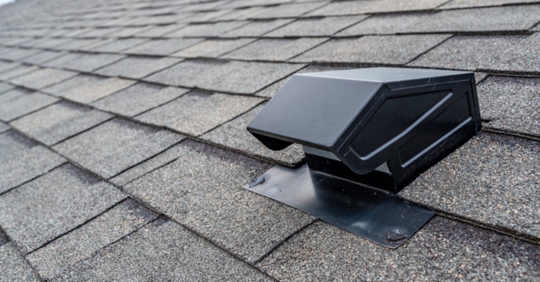
Passive ventilation systems rely on natural airflow to keep the attic environment balanced. Ridge vents, soffit vents, and gable vents are the most common types, allowing warm air to escape while drawing in cooler air from outside. When installed correctly, these systems require minimal maintenance and operate silently, offering a cost-effective solution for most homes. However, their effectiveness depends on roof design, vent placement, and adequate cross-ventilation. Improper installation can reduce airflow, leaving the home vulnerable to heat buildup or moisture problems.
Active Ventilation Systems:
Active systems use mechanical components such as turbine vents, power vents, or solar-powered attic fans to force air circulation. These systems are particularly beneficial in homes with complex roof designs or limited natural airflow. Turbine vents operate efficiently in windy conditions, while power vents actively remove stale air regardless of external airflow. Solar-powered fans combine energy efficiency with high performance, making them a popular choice for environmentally conscious homeowners. Although active systems require a higher upfront investment and some ongoing energy use, they offer superior control over attic temperature and moisture levels.
How Does Ventilation Control Moisture?
Moisture is one of the leading causes of roofing and structural problems in homes. When warm, humid air accumulates in the attic, it can condense on rafters, insulation, and roof decking. Over time, this trapped moisture encourages mold growth, wood rot, and damage to insulation, reducing energy efficiency. Proper ventilation allows this moisture to escape, maintaining a dry attic environment and protecting your home’s structural integrity.
In Minnesota, where humid summers and snow-heavy winters are common, moisture control is especially critical. Homes with poorly ventilated attics face a higher risk of ice dams in winter and mold growth in summer. By pairing adequate ventilation with insulation, homeowners can maintain consistent indoor temperatures while preventing long-term damage to roofing materials and structural components.
How Does Ventilation Improve Indoor Air Quality?
A well-ventilated attic contributes to healthier indoor air by reducing the buildup of allergens, dust, and pollutants. In tightly sealed homes, which are common in colder climates, poor ventilation can trap these contaminants inside living spaces. Proper airflow expels these irritants, reducing the risk of respiratory issues and improving overall indoor comfort. For families with asthma, allergies, or other sensitivities, attic ventilation is a simple but essential part of maintaining a healthy home environment.
How Can Proper Ventilation Prevent Structural Damage?
Moisture that is trapped in an inadequately ventilated attic doesn’t just affect insulation—it can compromise your home’s structure. Wood rafters and roof decking can warp or rot, creating safety hazards and leading to expensive repairs. Ventilation allows excess humidity to escape, protecting these critical components from deterioration.
Over time, consistent ventilation extends the life of roofing materials, prevents costly ice dam damage, and reduces the risk of mold or mildew spreading to living spaces. For Minnesota homeowners, where seasonal extremes can stress building materials, proper ventilation is an essential preventative measure that safeguards both comfort and property value.
How Do I Know if My Home Needs Better Ventilation?
Signs that your home may require improved ventilation include:
- Excessive heat in the attic during summer
- Musty odors or visible mold growth
- Uneven interior temperatures across rooms
- Ice dams forming along roof edges
- Premature aging or warping of shingles
Professional assessments can provide a more accurate evaluation of your home’s ventilation needs. Experts consider roof pitch, materials, local climate, and attic layout to recommend the most effective solution, whether passive, active, or hybrid.
How Do Climate and Regional Differences Affect Ventilation Needs?
Minnesota’s harsh winters and humid summers make ventilation especially important. Homes in colder climates need attic airflow to prevent ice dams and condensation, while humid summers demand systems that prevent moisture buildup. Hybrid systems that combine passive and active ventilation often provide the most reliable performance in regions with extreme seasonal variation. By tailoring ventilation to local climate conditions, homeowners can protect their roofs, lower energy costs, and improve comfort year-round.
Maintaining Your Roof Ventilation System
Routine maintenance keeps ventilation systems functioning efficiently. Homeowners should:
- Clear debris from vents and soffits
- Inspect mechanical fans for proper operation
- Check for airflow restrictions or damage
- Schedule professional inspections periodically
Maintaining your system not only extends its life but also maximizes energy efficiency, reduces the risk of moisture damage, and ensures the longevity of your roof and insulation.
Debunking Common Roof Ventilation Myths
- “More ventilation is always better” → Excessive ventilation can increase heating costs or make a roof more vulnerable in severe weather.
- “Ventilation alone saves energy” → Proper installation and integration with insulation are key for efficiency.
- “DIY solutions are enough” → Professional assessment ensures optimal airflow and long-term protection.
Work with Minnesota Home Improvements for Expert Ventilation
Roof ventilation is essential for home comfort, energy efficiency, and structural protection. Minnesota Home Improvements offers professional guidance, inspections, and installation of passive, active, and hybrid systems tailored to your home and local climate. Contact our team today to ensure your attic and roof are properly ventilated, keeping your home safe, efficient, and comfortable for years to come.
Call Minnesota Home Improvements now at (320) 434-8804 or reach out to us online.