Central Minnesota is known for its extreme weather shifts, but the intense summer heat often does more damage to your home than you might realize. When temperatures soar, your roof bears the brunt of the sun's energy, which can lead to a common but serious issue known as granule loss. Understanding how high heat affects your roofing materials is the first step in protecting your home from the long-term effects of our local climate.
Understanding the Role of Asphalt Shingle Granules
The small, sand-like pebbles on your shingles are not just there for decoration or color. These granules serve as a protective shield for the underlying asphalt layer, reflecting ultraviolet (UV) rays away from the roof. Without this coating, the asphalt is directly exposed to the sun, which can cause the material to dry out and become brittle much faster than intended.
When the sun is at its peak, these granules act like sunscreen for your house. They help regulate the temperature of the roof surface and prevent the asphalt from melting or cracking under intense pressure. If you start to notice these tiny stones washing away, it means your home is losing its primary defense against the elements.
How High Temperatures Weaken the Shingle Bond
Asphalt shingles are designed to be flexible, but extreme heat causes the oils within the asphalt to rise to the surface and eventually evaporate. This process, often called thermal shock, makes the shingles expand and contract rapidly as the sun moves across the sky. Over time, this constant movement loosens the bond between the granules and the asphalt mat.
As the adhesive qualities of the shingle diminish, the granules simply slide off or are easily displaced by a light breeze or rainfall. This leaves the roof vulnerable to further sunburn damage. You might notice specific signs that this bond is failing during the hottest weeks of July and August.
Watch for these physical indicators of heat-related wear:
- Piles of colored sand are accumulating at the base of your downspouts.
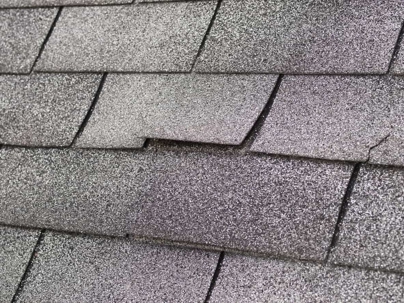
- Bald spots on the roof where the dark, smooth asphalt is visible.
- Shingles that appear "shiny" or reflect light unevenly in the sun.
- A gritty texture in your gutters after a summer rainstorm.
Identifying these signs early allows you to address the wear before water intrusion occurs. Once the granules are gone, the shingles can no longer expand and contract safely, leading to cracks that eventually allow moisture into your attic space.
The Importance of Attic Ventilation in Heat Protection
Heat does not just attack your roof from the outside; it also builds up in the space directly beneath your shingles. If your attic does not have proper airflow, the temperature can climb significantly higher than the outdoor air. This creates a baking effect, where the shingles are heated from both the sun above and the trapped air below.
Proper ventilation allows cool air to enter through the eaves and hot air to escape through the ridge. This cycle keeps the roof deck at a much lower temperature, which helps preserve the bond of the granules. Without this airflow, even the highest quality materials will fail prematurely under the weight of a Minnesota heatwave.
Restoring Your Home's Protective Barrier
Monitoring the condition of your exterior is essential because shingle health directly impacts the safety and efficiency of your entire home. When granules are lost, the roof absorbs more heat, which forces your cooling system to work harder and increases your monthly utility costs. Taking action at the first sign of wear helps you avoid the high stress of dealing with an emergency during a summer storm.
If you have noticed bald spots or excessive grit in your gutters, Minnesota Home Improvements can provide a professional evaluation to determine the best path forward. We specialize in exterior protection through professional roof repair and full-scale roof replacement. Our technical team focuses on ensuring your home is equipped with proper attic ventilation to mitigate heat damage and maintain your home's structural integrity.
If your roof is showing signs of heat wear, contact our local team online immediately to protect your home’s value or call (320) 434-8804.